
Hair loss is a common concern that affects people of all ages and lifestyles. While genetics and hormonal changes often play a role, nutritional deficiencies are one of the most overlooked contributors to thinning hair and excessive shedding. Hair follicles are highly active structures that depend on a steady supply of nutrients to function properly. When the body lacks essential vitamins and minerals, hair growth can slow, weaken or stop altogether.
One of the most significant nutritional factors linked to hair loss is iron deficiency. Iron helps transport oxygen throughout the body, including to the scalp and hair follicles. When iron levels are low, follicles may not receive enough oxygen to sustain healthy growth, leading to increased shedding and reduced hair density. This is especially common in individuals with restricted diets or increased nutritional demands.
Protein deficiency is another major cause of weakened hair. Hair strands are made primarily of keratin, a protein that requires adequate dietary intake to maintain strength and structure. Without enough protein, hair may become brittle, thin and prone to breakage. Over time, the body may divert available protein to essential organs, placing hair growth on a lower priority.
Vitamin D also plays a crucial role in regulating the hair growth cycle. Low levels of this vitamin may disrupt follicle activity, contributing to thinning and slow regrowth. Since vitamin D is produced through sunlight exposure, people who spend limited time outdoors may be more prone to deficiency.
B vitamins, including B12 and folate, are essential for red blood cell production and energy metabolism. These nutrients help deliver oxygen and nutrients to the scalp, supporting active hair follicles. Deficiencies can lead to fatigue, poor circulation and weakened hair growth over time.
Zinc is another important mineral that supports tissue repair and helps regulate oil production around hair follicles. When zinc levels are low, hair may become dry, fragile and more likely to shed. Similarly, vitamin A supports scalp health by maintaining natural moisture, though excessive intake can worsen hair loss rather than improve it.
Omega fatty acids and antioxidants also play a protective role by reducing inflammation and oxidative stress. These factors can damage follicles and interfere with the natural growth cycle if left unaddressed. A diet lacking healthy fats may contribute to dryness, irritation and hair breakage.
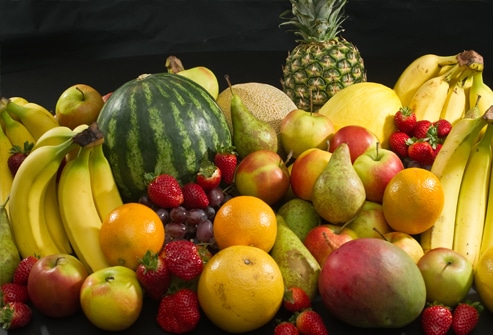
Addressing hair loss related to nutrition requires a balanced and consistent approach. Sudden dietary changes or over-supplementation may do more harm than good. Instead, focusing on nutrient-dense foods, hydration and overall wellness can help restore healthy hair growth patterns.
Understanding the connection between nutrition and hair loss empowers individuals to take proactive steps toward stronger, healthier hair. By correcting deficiencies and supporting the body from within, it is possible to improve hair quality, reduce shedding and promote long-term scalp health.