
A healthy scalp is the foundation of strong, shiny hair, but when fungal infections occur, it can lead to discomfort, itching, and even hair loss. Scalp fungus, often caused by yeast overgrowth or dermatophytes, is more common than many realize. It thrives in warm, moist environments and can develop from sweat buildup, poor scalp hygiene, or even sharing personal hair tools. Fortunately, there are effective ways to treat it, both with antifungal shampoos and natural remedies.
Scalp fungus usually appears as patches of flaking, redness, and persistent itching. In some cases, small bumps or pustules may develop, and if left untreated, it can weaken hair roots, causing shedding or bald spots. The condition is not only uncomfortable but can also affect confidence, making quick treatment essential.
Antifungal shampoos are one of the most reliable treatments for scalp fungus. These shampoos often contain active ingredients like ketoconazole, zinc pyrithione, or selenium sulfide, all of which help reduce yeast and fungal growth. Used two to three times a week, these shampoos cleanse the scalp, calm irritation, and prevent the infection from spreading. Consistency is key—using the shampoo regularly, even after symptoms improve, helps prevent recurrence.
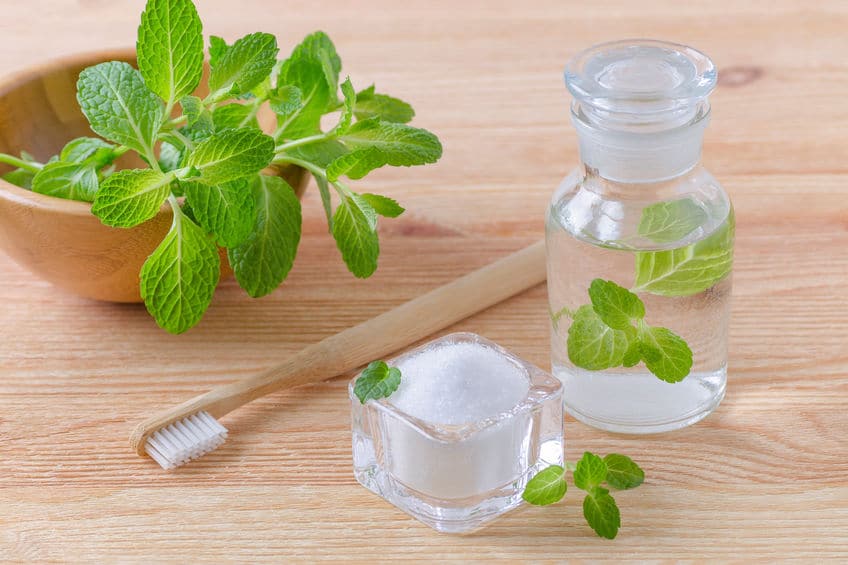
For those who prefer natural remedies, there are several effective options. Tea tree oil is one of the most popular choices because of its strong antifungal and antibacterial properties. When diluted with a carrier oil, such as coconut or jojoba oil, it can be massaged directly into the scalp to soothe itching and reduce fungal growth. Similarly, apple cider vinegar rinses help balance scalp pH levels, creating an environment that makes it harder for fungi to thrive. Aloe vera, known for its cooling and healing effects, can also provide relief from irritation while supporting scalp health.
Proper scalp care is just as important as treatments. Keeping the scalp clean and dry helps reduce fungal buildup. Avoiding heavy, greasy products that clog pores also prevents worsening of the infection. If you frequently exercise or sweat, washing your hair afterward ensures that moisture and heat don’t provide a breeding ground for fungus. It’s also best not to share hairbrushes, towels, or hats, since scalp fungus can spread through direct contact.
In more severe cases where over-the-counter shampoos or natural remedies don’t bring relief, a dermatologist may prescribe stronger antifungal medications. These may include oral antifungals or medicated creams that work faster to eliminate the infection. Professional advice is especially important if the fungus has led to noticeable hair loss or painful inflammation.
Recovery from scalp fungus is possible with patience and the right routine. Combining antifungal shampoos with natural remedies and good scalp hygiene ensures not only relief from symptoms but also long-term protection. A healthy scalp encourages healthy hair growth, so addressing scalp fungus early can help you restore both comfort and confidence.
By staying consistent with treatment, choosing the right remedies, and maintaining scalp care, you can effectively manage and overcome fungal infections, keeping your scalp balanced and your hair strong.