
Understanding Female Pattern Hair Loss
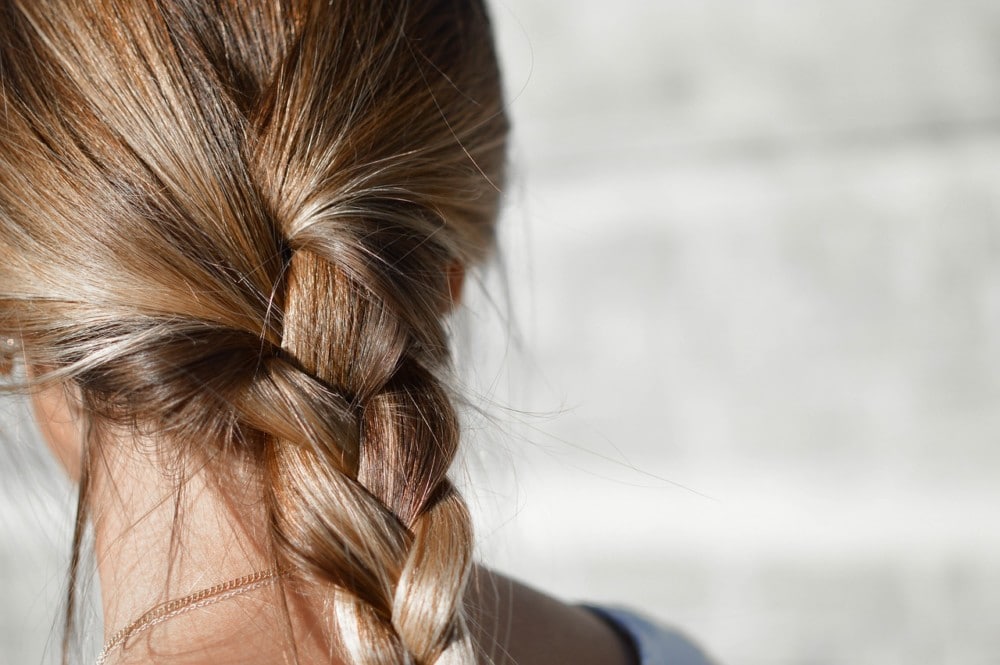
Female pattern hair loss is a gradual condition that often shows up as thinning along the part line or reduced volume at the crown. While genetics and hormones play a major role, nutrition is a powerful factor that is often overlooked. Hair follicles are highly active and require a steady supply of nutrients to stay in the growth phase. When the body lacks essential vitamins, minerals, or protein, hair growth can slow down and shedding may increase.
Why Nutrition Matters for Hair Health
Hair is made primarily of protein, and its growth depends on a well-functioning internal system. Poor dietary habits, crash dieting, stress, and nutrient deficiencies can disrupt the hair growth cycle. When the body prioritizes vital organs over hair, follicles may become weaker and thinner. Supporting the body with proper nutrition helps create a healthier environment for hair to grow and reduces excessive hair fall over time.
Protein: The Foundation of Strong Hair
Protein is the building block of hair structure. Inadequate protein intake can lead to weak, brittle strands and increased shedding. Women experiencing hair thinning should ensure they consume sufficient high-quality protein daily. Sources such as eggs, dairy, legumes, nuts, seeds, and lean meats help support hair strength and growth. Consistent protein intake is especially important for women who follow vegetarian or restrictive diets.
Iron and Its Role in Hair Growth
Iron deficiency is commonly linked to hair thinning in women. Iron supports oxygen delivery to hair follicles, which is essential for healthy growth. Low iron levels can shorten the growth phase of hair and increase shedding. Including iron-rich foods such as leafy greens, beans, lentils, dates, and whole grains can be beneficial. Pairing these foods with vitamin C improves absorption and supports better results.
Key Vitamins That Support Hair Density
Certain vitamins play a crucial role in maintaining healthy hair. B vitamins help support cell energy and scalp health, while vitamin D is linked to hair follicle cycling. Vitamin A supports scalp condition, but balance is important, as excess intake may worsen hair fall. Vitamin E contributes to blood circulation in the scalp, helping follicles receive nutrients more efficiently. A varied diet helps maintain optimal vitamin levels naturally.
Zinc and Selenium for Scalp Balance
Zinc and selenium are trace minerals that support hair structure and scalp health. Zinc helps regulate oil glands around follicles and supports tissue repair, while selenium protects cells from damage. Deficiencies may contribute to hair thinning and slower regrowth. Including nuts, seeds, whole grains, and dairy products helps maintain healthy levels of these minerals.
The Role of Supplements in Female Hair Loss
Supplements can be helpful when dietary intake alone is insufficient, but they should not replace a balanced diet. Hair-focused supplements often combine vitamins, minerals, and amino acids to support follicle function. Consistency is key, as results typically take several months to become noticeable. It’s important to choose supplements thoughtfully and avoid excessive dosing, as more is not always better.
Omega Fatty Acids and Hair Strength
Healthy fats are essential for maintaining scalp hydration and hair elasticity. Omega fatty acids support the scalp’s natural barrier and help reduce dryness and inflammation. Including foods such as flaxseeds, walnuts, and healthy oils can improve overall hair texture and shine. Adequate fat intake also supports hormone balance, which is closely linked to female pattern hair loss.
Lifestyle Habits That Enhance Nutritional Benefits
Nutrition works best when paired with supportive lifestyle habits. Managing stress, getting adequate sleep, and staying hydrated all contribute to healthier hair. Chronic stress can interfere with nutrient absorption and disrupt the hair growth cycle. Simple daily routines that support overall wellness often reflect positively in hair quality and density.
Final Thoughts: A Long-Term Approach to Hair Health
Female pattern hair loss requires patience and consistency. While nutrition and supplements may not reverse genetic factors completely, they play a vital role in slowing progression and improving hair quality. By nourishing the body from within and supporting it with the right nutrients, women can create a strong foundation for healthier, fuller-looking hair over time.