
Over-processed hair is a common issue for those who frequently color, bleach, perm, or heat-style their strands. When hair is subjected to excessive chemical or thermal treatments, it can lose its natural proteins and moisture, leaving it weak, brittle, and prone to breakage. While it may not be possible to reverse all the damage instantly, the right care and treatments can significantly restore softness, shine, and strength.
Understanding Over-Processed Hair
Hair becomes over-processed when its cuticle layer is damaged to the point where the inner structure (the cortex) is exposed and weakened. This damage occurs through repeated coloring, bleaching, chemical straightening, perming, and overuse of hot tools without proper protection. The signs include rough texture, excessive dryness, frizz, breakage, tangles, and lack of elasticity.
Step 1: Start with a Gentle Cleanse
Switch to a sulfate-free shampoo that won’t strip away essential oils. Over-processed hair needs moisture retention, so avoid harsh cleansers that leave it feeling dry. Washing your hair less frequently, around two to three times per week, can help preserve natural oils and allow your scalp to support recovery.
Step 2: Deep Conditioning Treatments
One of the most effective ways to repair over-processed hair is by using deep conditioning masks rich in nourishing ingredients like shea butter, coconut oil, argan oil, or keratin. These treatments penetrate the hair shaft to replenish lost moisture and improve elasticity. For maximum benefits, apply the mask once or twice a week and leave it on for at least 15–30 minutes.
Step 3: Incorporate Protein Treatments
Hair is primarily made of keratin, a protein that gives it strength. Over-processing strips away these proteins, making the hair weak. A protein treatment can help rebuild the hair structure and reduce breakage. Use these treatments once every two weeks, as too much protein can make hair stiff and brittle.
Step 4: Trim the Damaged Ends
Split ends cannot be repaired, and leaving them will only allow the damage to travel up the hair shaft. Regular trims every 6–8 weeks will keep hair healthier and encourage growth by removing the weakest, most damaged sections.
Step 5: Reduce Heat Styling
Give your hair a break from hot tools like straighteners, curling irons, and blow dryers. If you must use them, always apply a heat protectant spray and use the lowest effective temperature. Air drying whenever possible will minimize additional stress on your strands.
Step 6: Protect from Environmental Damage
UV rays, pollution, and wind can further weaken over-processed hair. Wearing a hat or using a leave-in conditioner with UV protection can help shield your strands. If you swim, always rinse hair immediately afterward and use a protective conditioner before entering the pool to reduce chlorine damage.
Step 7: Nourish from Within
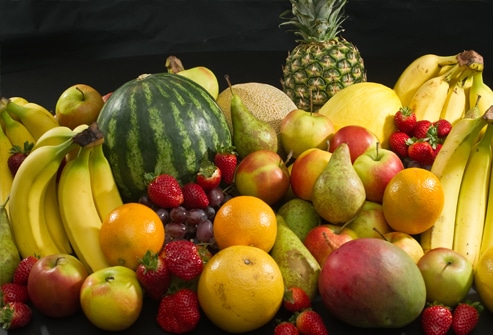
Healthy hair growth starts from the inside. A balanced diet rich in vitamins, minerals, and proteins can aid recovery. Include foods like eggs, nuts, salmon, leafy greens, and berries to provide your hair with the nutrients it needs. Staying hydrated also plays a key role in maintaining hair elasticity and shine.
Step 8: Be Patient and Consistent
Repairing over-processed hair takes time. Consistency with moisturizing, protein treatments, and protective habits will gradually restore its health. Avoid rushing into more chemical treatments until your hair shows significant improvement in strength and texture.
With gentle care, proper nourishment, and patience, over-processed hair can regain its vitality. By adopting a protective routine, you not only repair damage but also prevent future harm, ensuring your hair remains strong, smooth, and beautiful.