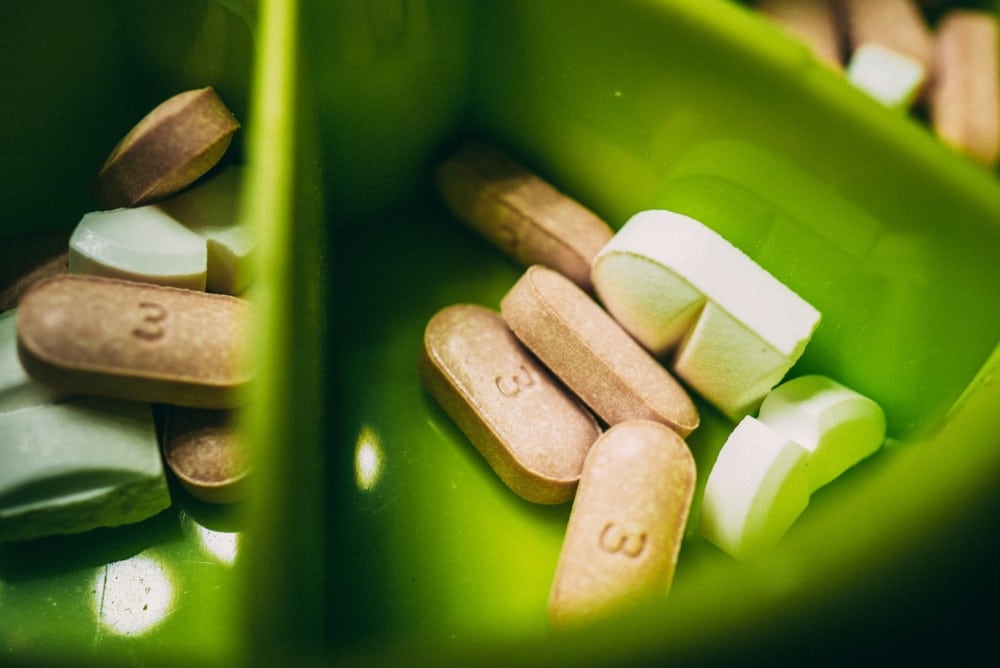
Hair loss can be a frustrating and emotional experience, whether it’s due to stress, genetics, hormonal changes, or poor nutrition. While there’s no one-size-fits-all solution, many have turned to hair growth supplements to support healthier, fuller locks. But which vitamins really help—and how do they work? This guide breaks down the most effective vitamins for hair loss and the science behind them.
1. Biotin (Vitamin B7)
Biotin is perhaps the most well-known vitamin for hair health. It plays a vital role in keratin production—the protein that makes up your hair, skin, and nails. A biotin deficiency can lead to brittle hair and hair thinning. Supplementing with biotin may improve hair strength and promote thickness over time.
2. Vitamin D
Often linked to hair loss, a deficiency in vitamin D can disrupt the hair follicle cycle. This vitamin plays a role in creating new hair follicles and supporting scalp health. Many people are deficient without realizing it, so incorporating vitamin D—either through sunlight, diet, or supplements—can support regrowth.
3. Iron
Low iron levels are one of the most common causes of hair thinning, especially in women. Iron helps red blood cells deliver oxygen to hair follicles. When iron is low, your follicles may not get the oxygen and nutrients they need, leading to shedding. Iron supplements or iron-rich foods like spinach, lentils, and red meat can help.
4. Zinc
Zinc is crucial for tissue repair, hair follicle health, and oil gland function around the follicles. A zinc deficiency can result in hair shedding and a dry, flaky scalp. It’s especially important for those with autoimmune or thyroid-related hair loss issues.
5. Vitamin A
Vitamin A helps the scalp produce sebum, a natural oil that keeps hair moisturized and healthy. However, excessive intake can lead to hair loss, so it’s best consumed in balanced amounts through foods like sweet potatoes, carrots, and leafy greens.
6. Vitamin E
This antioxidant supports scalp circulation and helps reduce oxidative stress, which can damage hair follicles. Studies show that supplementing with vitamin E can improve hair growth in individuals with hair loss conditions.
7. Collagen
Collagen contains amino acids like proline, which your body uses to build keratin. It also supports scalp elasticity and hydration, promoting stronger, more resilient hair strands. Marine collagen supplements are particularly popular for hair and skin benefits.
8. Omega-3 Fatty Acids
Found in fish oil and flaxseeds, omega-3s nourish hair, reduce inflammation, and help improve scalp health. They also promote hydration, preventing brittle, dry strands prone to breakage.
9. Vitamin C
Vitamin C is essential for collagen synthesis and helps your body absorb iron—two key factors in hair growth. It also acts as a powerful antioxidant, protecting hair follicles from free radical damage.
10. Niacin (Vitamin B3)
Niacin improves blood circulation, which helps transport nutrients to the scalp and hair follicles. A healthy scalp environment encourages growth and strengthens existing strands.
11. Folic Acid (Vitamin B9)
Folic acid supports cell division and regeneration, which is crucial for follicle health. It also helps improve hair texture and adds shine. Often combined with other B-vitamins in multivitamins.
12. Selenium
Selenium helps protect the scalp from oxidative stress and is necessary for the proper functioning of enzymes that promote hair growth. It also supports thyroid function, which is closely tied to hair health.
13. Iodine
Essential for thyroid hormone production, iodine indirectly affects hair growth. A sluggish thyroid can lead to hair thinning, especially around the crown. Including iodine-rich foods like seaweed or supplements can support balance.
14. Saw Palmetto
This plant-based supplement is often used to reduce hair loss by blocking DHT—a hormone linked to androgenetic alopecia (male or female pattern baldness). It may help slow hair thinning and support density.
Choosing the Right Supplement
When selecting a hair loss supplement, look for formulations that combine several of these ingredients rather than relying on just one. A multivitamin designed specifically for hair health can offer a more balanced approach. Always consult a healthcare professional before starting a new supplement, especially if you have underlying health conditions or are taking medications.
Final Thoughts
Vitamins and minerals are essential for supporting hair from the inside out. While they aren’t miracle cures, the right combination can make a significant difference in reducing shedding, strengthening hair strands, and promoting healthy growth. Alongside a nutrient-rich diet, stress management, and good scalp care, supplements can be a powerful part of your hair restoration journey.