
Why Hair Loss Happens After Pregnancy
Many new mothers notice significant hair shedding a few months after giving birth. While this can be surprising and sometimes alarming, postpartum hair loss is a very common and temporary condition. During pregnancy, hormonal changes often make hair appear thicker, shinier, and fuller. After childbirth, these hormone levels shift again, which can lead to noticeable hair fall.
Postpartum hair loss typically begins around two to four months after delivery and can continue for several months. Although the experience may feel concerning, understanding the reasons behind it and knowing how to support hair recovery can help mothers manage this phase with confidence.
The Role of Hormones During Pregnancy
Hormones play a major role in hair growth throughout pregnancy. Increased levels of estrogen during this time extend the growth phase of the hair cycle. As a result, fewer hair strands enter the shedding phase, which makes hair appear fuller and healthier.
Because hair that would normally fall out stays on the scalp during pregnancy, many women experience thicker hair than usual. This temporary change often creates the impression that hair has improved significantly during pregnancy.
What Happens After Delivery
After childbirth, hormone levels begin returning to their normal state. The drop in estrogen triggers a shift in the hair growth cycle. Hair that remained in the growth phase during pregnancy starts entering the shedding phase all at once.
This process is known as telogen effluvium. It causes noticeable hair shedding because many hair strands fall out within a short period of time. While it may seem like excessive hair loss, the body is simply returning to its natural hair cycle.
When Postpartum Hair Loss Begins
Most women start noticing increased hair shedding between two and four months after giving birth. Hair may appear on pillows, in hairbrushes, or during showers.
This shedding phase can continue for several months before gradually slowing down. In most cases, hair growth returns to normal within six to twelve months after delivery.
The good news is that postpartum hair loss rarely leads to permanent thinning. The hair follicles remain healthy and capable of producing new hair.
Nutritional Factors That Influence Hair Recovery
Nutrition plays an important role in postpartum hair recovery. After pregnancy and childbirth, the body requires sufficient nutrients to support overall health as well as hair growth.
Iron, protein, zinc, and vitamins are particularly important for maintaining healthy hair follicles. Many new mothers experience nutrient depletion due to pregnancy and breastfeeding, which may contribute to slower hair recovery.
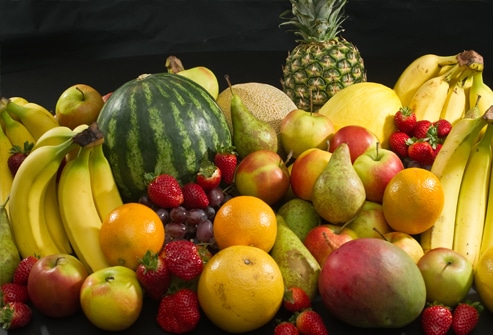
Eating a balanced diet with fruits, vegetables, whole grains, and protein-rich foods can help support stronger hair growth during the postpartum period.
Managing Hair Gently During the Shedding Phase
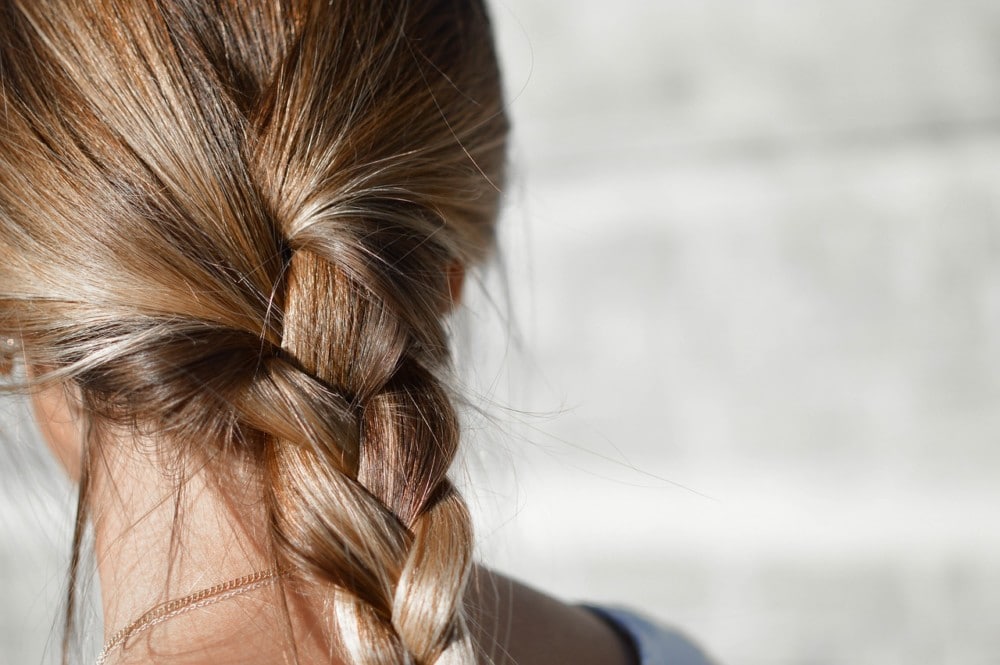
Taking gentle care of hair can help reduce unnecessary breakage while hair is shedding. Tight hairstyles such as ponytails, buns, or braids may place extra stress on already fragile strands.
Using mild shampoos and conditioners designed for hair strengthening can also help maintain hair health. Avoiding excessive heat styling, harsh treatments, or aggressive brushing is recommended during this time.
Many women find that using a wide-tooth comb and allowing hair to air dry can help minimize additional hair damage.
The Role of Stress and Sleep
Caring for a newborn often comes with sleep deprivation and emotional stress. Both of these factors can influence overall health and may indirectly affect hair growth.
While it may be challenging, finding moments for rest and relaxation can support the body’s natural recovery process. Managing stress through light exercise, breathing techniques, or short breaks can also contribute to better overall well-being.
When the body begins to recover from pregnancy and adjust to new routines, hair growth usually improves naturally.
Hair Care Tips to Support Regrowth
Although postpartum hair loss cannot be completely prevented, certain practices can support healthy regrowth. Maintaining a healthy scalp environment is important because strong hair growth begins at the root.
Regular scalp massages may help stimulate circulation to the hair follicles. Using lightweight hair products that do not weigh down the hair can also create the appearance of fuller volume while hair regrows.
Some women choose shorter hairstyles during this period, which can make hair appear thicker and easier to manage.
When to Seek Professional Advice
In most cases, postpartum hair loss resolves on its own within a year. However, if hair shedding continues for an extended period or becomes severe, consulting a healthcare professional may be helpful.
A doctor can check for underlying factors such as nutritional deficiencies or hormonal imbalances that may contribute to ongoing hair loss. Addressing these factors early can help restore healthy hair growth more quickly.
Conclusion: A Temporary Phase in the Postpartum Journey
Postpartum hair loss is a natural part of the body’s adjustment after pregnancy. Although the shedding may feel alarming at first, it is usually temporary and part of the normal hair growth cycle.
With proper nutrition, gentle hair care, and patience, most women see their hair gradually return to its usual thickness and strength. Understanding this process can help new mothers focus on recovery and enjoy the special moments of early motherhood without unnecessary worry about hair loss.