
Introduction: When Hair Fall Changes With the Seasons
Many people notice that their hair tends to shed more during certain times of the year. This temporary increase in hair fall can feel alarming, especially when hair appears on pillows, in the shower drain, or on hairbrushes more frequently than usual. However, seasonal hair shedding is a natural process that affects many individuals.
The human body responds to environmental changes such as temperature, humidity, and sunlight. Just like skin and overall health can shift with seasonal changes, hair growth patterns can also be influenced. Understanding why seasonal hair loss happens and how to manage it can help reduce worry and support healthier hair throughout the year.
What Is Seasonal Hair Loss?
Seasonal hair loss refers to a temporary increase in hair shedding that typically occurs during certain times of the year, most commonly during late summer and early autumn. Some people may also experience changes in hair density during spring.
This type of hair fall is usually part of the natural hair growth cycle. Hair grows in phases, including a growth phase, a transition phase, and a resting phase. Seasonal changes may cause more hair follicles to enter the resting stage at the same time, which leads to increased shedding.
The good news is that this condition is usually temporary and does not lead to permanent hair loss.
Why Hair Shedding Increases in Certain Seasons
There are several reasons why seasonal changes can influence hair growth. One factor is sunlight exposure. During the summer months, increased sunlight may affect hormone levels and hair growth patterns. This can lead to more hair entering the shedding phase a few months later.
Temperature and humidity also play a role. Changes in climate may affect scalp health, leading to dryness or oil imbalance. These changes can weaken hair roots and contribute to temporary hair fall.
Another reason may be related to the body’s natural biological rhythm. Some research suggests that the body may adjust hair growth patterns in response to environmental conditions, similar to how animals shed fur during seasonal transitions.
How Long Seasonal Hair Loss Lasts
Seasonal hair shedding typically lasts for a few weeks to a few months. During this time, individuals may notice more hair falling out than usual, but the shedding usually slows down as the body adapts to the new season.
In most cases, hair growth returns to its normal cycle without the need for medical treatment. New hair strands begin to grow, replacing the ones that were shed.
If excessive hair fall continues for several months or becomes severe, it may be helpful to consult a healthcare professional to rule out other causes.
Maintaining Scalp Health During Seasonal Changes
A healthy scalp is essential for strong hair growth. Seasonal changes can sometimes cause scalp dryness, irritation, or increased oil production, all of which may contribute to hair fall.
Regular scalp cleansing helps remove dirt, sweat, and product buildup that can block hair follicles. Using mild shampoos and conditioners suitable for your hair type can help maintain scalp balance.
Scalp massages may also improve blood circulation, which supports healthier hair follicles and encourages stronger hair growth.
The Role of Nutrition in Hair Strength
Nutrition plays a major role in maintaining healthy hair. Seasonal changes sometimes affect eating habits, which can lead to nutritional imbalances.
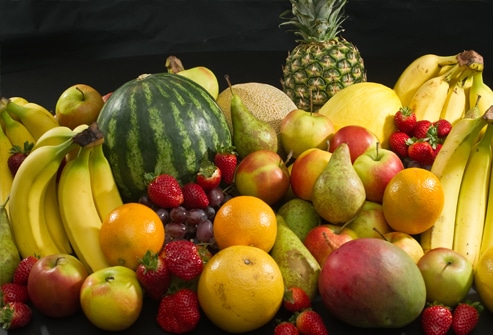
Hair follicles require essential nutrients such as protein, iron, vitamins, and minerals to function properly. A balanced diet that includes fruits, vegetables, whole grains, and protein-rich foods helps support strong hair growth.
Staying well hydrated is also important, as dehydration can affect both scalp health and hair strength.
Protecting Hair From Environmental Damage
Environmental factors such as sun exposure, pollution, and wind can weaken hair strands, especially during seasonal transitions.
Protecting hair from excessive sunlight and harsh weather can help reduce damage. Wearing a hat when spending long periods outdoors and using protective hair products may help maintain hair health.
Avoiding excessive heat styling or chemical treatments during periods of increased shedding can also help prevent additional stress on the hair.
Managing Stress and Lifestyle Factors
Stress can worsen seasonal hair shedding. Busy schedules, lifestyle changes, and seasonal adjustments may increase stress levels, which can disrupt the natural hair growth cycle.
Engaging in relaxation techniques such as exercise, meditation, or hobbies can help reduce stress and support overall well-being. Getting enough sleep is also important, as the body repairs and regenerates cells during rest.
Maintaining a healthy lifestyle supports not only mental health but also stronger hair growth.
When to Seek Professional Advice
Although seasonal hair loss is usually temporary, persistent or severe hair shedding should not be ignored. If hair fall continues for an extended period or if noticeable thinning occurs, it may indicate an underlying issue such as nutritional deficiency, hormonal imbalance, or scalp condition.
A healthcare professional or hair specialist can evaluate the situation and recommend appropriate care if necessary.
Conclusion: Supporting Healthy Hair Throughout the Year
Seasonal hair loss is a natural and temporary change that many people experience as the body adjusts to environmental shifts. While the increase in shedding may feel concerning, it is usually part of the normal hair growth cycle.
By maintaining a healthy scalp, following a balanced diet, protecting hair from environmental stress, and managing lifestyle habits, individuals can support stronger hair growth and reduce the impact of seasonal shedding. With proper care and patience, hair typically returns to its usual growth pattern once the seasonal transition passes.